
Spinal Alignment: A Key to Long-Term Wellness and Pain Relief


The Importance of Spinal Alignment
Spinal alignment plays a crucial role in maintaining overall health and well-being. A properly aligned spine ensures that your body functions optimally, reducing the risk of pain and injury. The spine is the central support structure of your body, and its alignment affects everything from your posture to your mobility.

When your spine is out of alignment, it can lead to a host of issues, including chronic pain, reduced mobility, and even impaired organ function. Ensuring that your spine is aligned can help in avoiding these problems and promote long-term health.
Understanding the Spine's Role in the Body
The spine is made up of 33 vertebrae that are divided into five regions: cervical, thoracic, lumbar, sacral, and coccygeal. Each region has a specific function and supports different parts of the body. The spine provides structural support, protects the spinal cord, and allows for flexible movement.
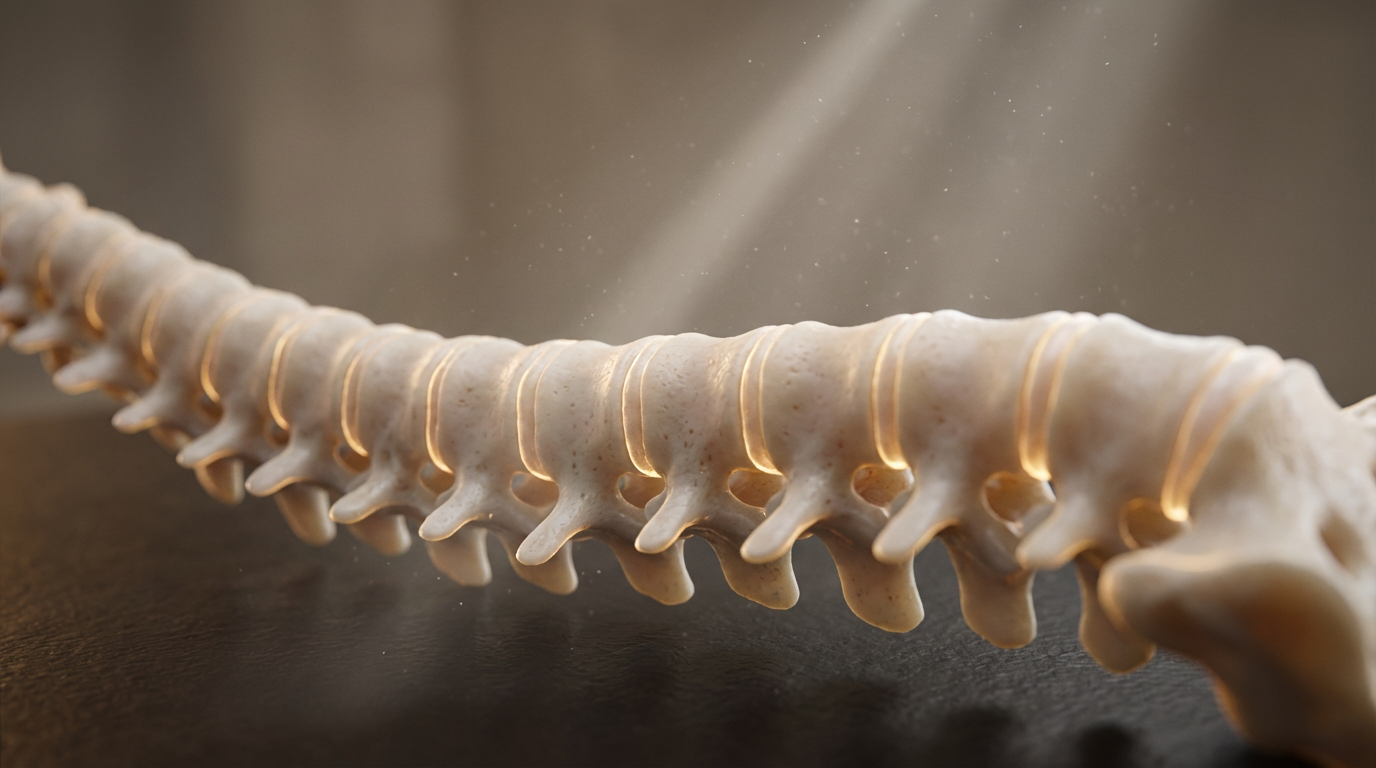
Proper spinal alignment is essential for the nervous system to function effectively. Misalignments can lead to nerve interference, which may cause pain and disrupt the communication between the brain and the rest of the body.
Benefits of Proper Spinal Alignment
Maintaining proper spinal alignment offers numerous benefits, including:
- Pain Relief: Alleviating pressure on nerves reduces pain in the back, neck, and other areas.
- Improved Posture: A well-aligned spine enhances posture, reducing strain on muscles and joints.
- Better Balance and Coordination: Proper alignment supports better balance, reducing the risk of falls.
- Enhanced Mobility: Flexibility and movement improve with a properly aligned spine.

Techniques for Maintaining Spinal Alignment
There are several techniques to help maintain spinal alignment, including:
- Regular Chiropractic Care: Chiropractors specialize in adjusting the spine to improve alignment and relieve pain.
- Exercise and Stretching: Engaging in regular physical activity strengthens muscles supporting the spine.
- Ergonomic Adjustments: Ensure your workspace supports proper posture to avoid unnecessary strain.
Conclusion
Spinal alignment is a vital aspect of long-term wellness and pain relief. By understanding the importance of maintaining a healthy spine, you can take proactive steps to improve your overall health. Whether through chiropractic care, exercise, or ergonomic adjustments, prioritizing spinal health is essential for a pain-free and active life.